Client question
Which meetings and observations will make the visit decision-useful?
Build the itinerary around line and process decisions
A food-processing-equipment visit was structured around process modules, equipment responsibilities, technical questions, and a post-visit comparison rather than a generic factory tour.
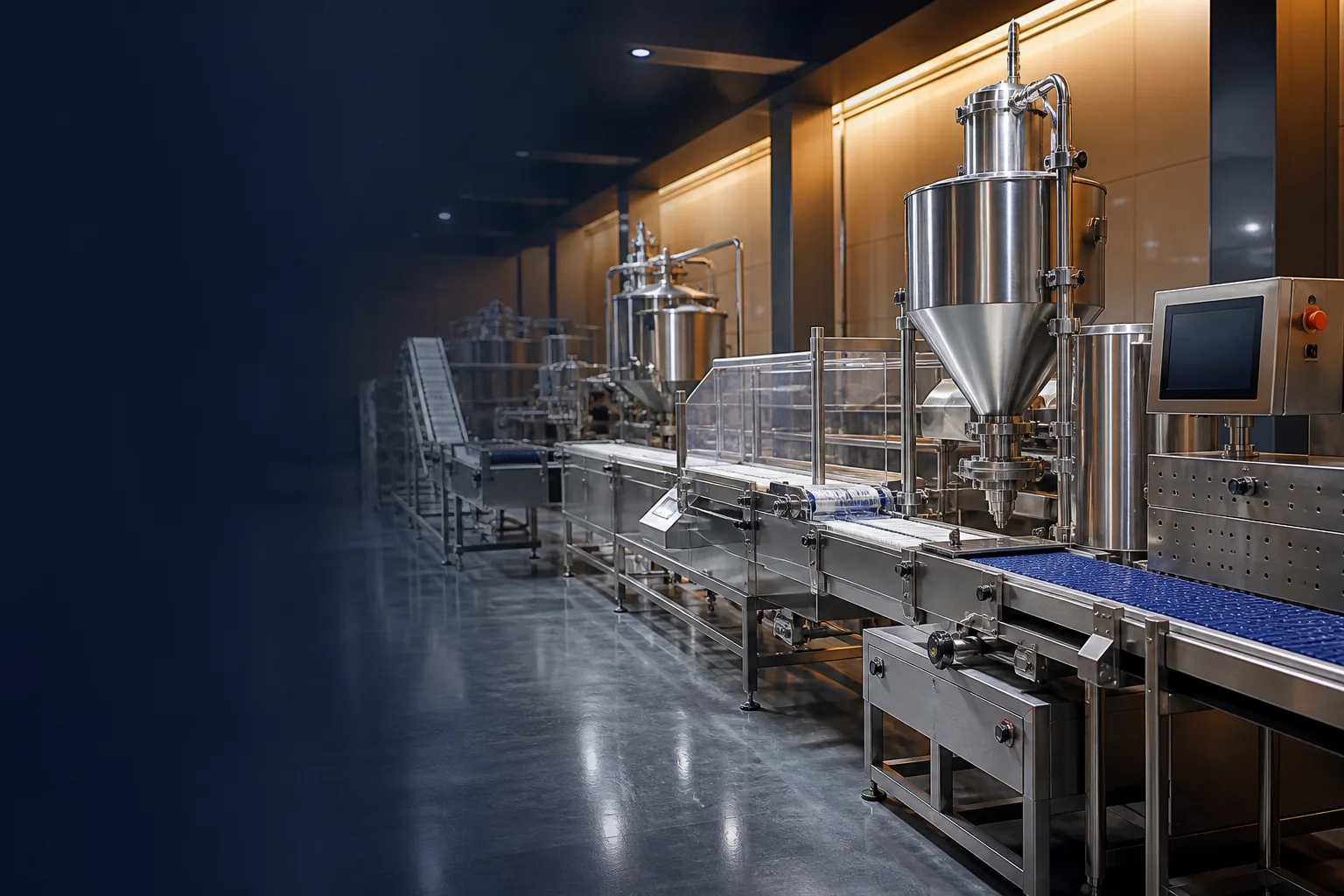
Which meetings and observations will make the visit decision-useful?
Which meetings and observations will make the visit decision-useful?
A productive visit should produce comparable evidence and action items; it is not measured by the number of stops alone.
Business Visit Planning → confirmed meetings → post-visit decision notes
The public case is shown as a sequence of decisions and evidence gates—not as a promise of a supplier, quotation, or final project outcome.
Define what the buyer must learn or compare onsite.
Arrange meetings and observations around those decisions.
Keep timing, demonstrations, and live-site access explicitly conditional.
Convert the visit into comparable notes and follow-up priorities.
Illustrative public process. The exact sequence changes with the brief, available evidence, and approved scope.
The buyer needed to understand a process line and equipment route, but the value of the visit depended on asking the right questions in the right sequence.
We mapped process and equipment modules, grouped manufacturers, line suppliers, and integrators, and organized the visit around technical clarification, responsibilities, and follow-up notes.
A productive visit should produce comparable evidence and action items; it is not measured by the number of stops alone.
Use a decision-oriented itinerary to compare the route, clarify open technical questions, and decide which follow-up deserves a deeper engagement.
Meeting access, visit timing, transport, equipment demonstrations, installation, technical transfer, and contracts are confirmed case by case. The visit is not an audit or a guaranteed demonstration.
Share the decision, the evidence you already have, and the risk you need to reduce. We will help identify the right next step.