Pregunta del cliente
Which meetings and observations will make the visit decision-useful?
Replantear la próxima decisión en torno a «¿Cómo hacer productiva una visita a China?»
Este caso anonimizado muestra cómo convertir una cuestión transfronteriza en evidencias, límites y próximos pasos más claros en torno a «¿Cómo hacer productiva una visita a China?».
Which meetings and observations will make the visit decision-useful?
Which meetings and observations will make the visit decision-useful?
A productive visit should produce comparable evidence and action items; it is not measured by the number of stops alone.
Business Visit Planning → confirmed meetings → post-visit decision notes
El caso público se presenta como una secuencia de decisiones y controles de evidencia, no como una promesa de proveedor, cotización o resultado final del proyecto.
Define what the buyer must learn or compare onsite.
Arrange meetings and observations around those decisions.
Keep timing, demonstrations, and live-site access explicitly conditional.
Convert the visit into comparable notes and follow-up priorities.
Proceso público ilustrativo. La secuencia exacta cambia según el encargo, las pruebas disponibles y el alcance aprobado.
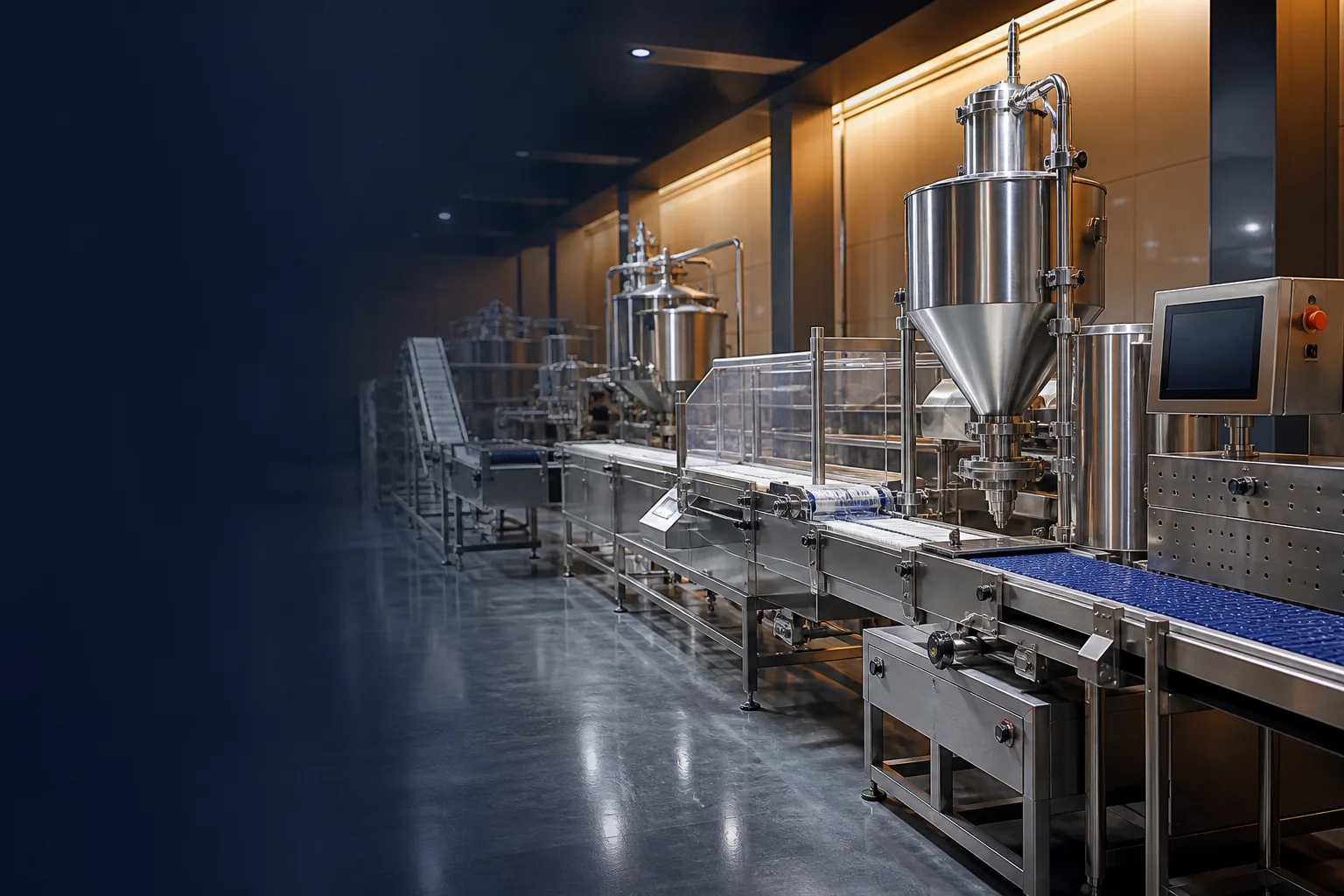
The buyer needed to understand a process line and equipment route, but the value of the visit depended on asking the right questions in the right sequence.
We mapped process and equipment modules, grouped manufacturers, line suppliers, and integrators, and organized the visit around technical clarification, responsibilities, and follow-up notes.
A productive visit should produce comparable evidence and action items; it is not measured by the number of stops alone.
Use a decision-oriented itinerary to compare the route, clarify open technical questions, and decide which follow-up deserves a deeper engagement.
Meeting access, visit timing, transport, equipment demonstrations, installation, technical transfer, and contracts are confirmed case by case. The visit is not an audit or a guaranteed demonstration.


Comparta la decisión, la evidencia que ya tiene y el riesgo que necesita reducir. Le ayudaremos a identificar el siguiente paso correcto.